Kubota Key Programming: What Mini Digger Owners Need to Know
If you own a Kubota mini digger, you already know how frustrating it is when a key goes missing. A lost digger key can stop a job cold, and ordering a replacement from a dealership often means days of waiting. That is where specialist services like Kubota key programming come in. The process sounds technical, but once you understand the basics, it becomes straightforward. This article walks through what key programming actually involves, why it matters for your machine, and how to get a replacement key that works first time.
Why Kubota Keys Are Not Just Metal Blanks
Older construction equipment used simple mechanical keys. You could take a blank to any key cutter, and within minutes you had a working copy. Modern Kubota mini diggers, especially the KVX series and later models, use transponder keys. These keys contain a small chip that communicates with the machine's security system. Without the correct electronic code, the digger will not start. That is why a standard key cut at a high street shop will not work. You need a key that has been properly programmed.
The shift to electronic keys happened for a reason. Site security is a major concern in the UK construction industry. A stolen digger can cost thousands in downtime and insurance claims. Transponder keys make it harder for thieves to start a machine without the correct key fob. But that same security feature creates a problem when you lose your only key. You cannot simply file a new one from a blank. You need a replacement key that has been matched to your machine's lock system.
How Kubota Key Programming Works
Kubota key programming is the process of writing the correct electronic code onto a new key blank. The machine's lock reads that code when you insert the key. If the codes match, the digger starts. If they do not, nothing happens.
The programming itself requires a key encoder. This is a device that connects to the transponder chip inside the key fob. The encoder writes a unique code that corresponds to the code stored in your digger's control unit. Some services can program a new key from the existing key code, which is often stamped on the original key or recorded in the machine's documentation. Others can read the code directly from a working key if you still have one.
One common question is whether a key can be programmed without the original. The answer depends on the model. For many Kubota mini diggers, a specialist can generate a new key using the machine's serial number or the lock code. This is where experience matters. A service that has handled Kubota keys for years will know the exact procedure for each model. A generic key cutting shop will not.
What to Expect When Ordering a Replacement
The process of getting a replacement key usually starts with identifying your machine's details. You will need the model number, the serial number, and if possible the original key code. Some services also ask for a photo of the lock barrel or the existing key fob. This helps them confirm the correct key blank and programming protocol.
Once the details are confirmed, the service programs a new key blank. Many UK-based specialists offer same-day dispatch if the order is placed before a cutoff time. The key is then sent via postal service, often with tracking. Delivery times vary, but a well-run service can get a replacement key to you within one to two working days.
It is important to use a reputable service. A poorly programmed key might work intermittently or fail after a few uses. That leads to more downtime and another round of ordering. A properly executed Kubota key programming job gives you a key that behaves exactly like the factory original.
Key Duplication vs. Key Programming
There is a difference between key duplication and key programming. Duplication means copying the physical shape of a key. That works for old-style mechanical locks. Programming means writing the electronic code onto a transponder chip. For Kubota mini diggers, you need programming, not just cutting.
Some services offer both. They can cut the metal blade of the key to match the lock's mechanical pins, and then program the chip to match the electronic code. This is why the term key cutting alone is misleading when applied to modern digger keys. You need a service that understands both the mechanical and electronic sides of the key.
Common Models and Their Key Systems
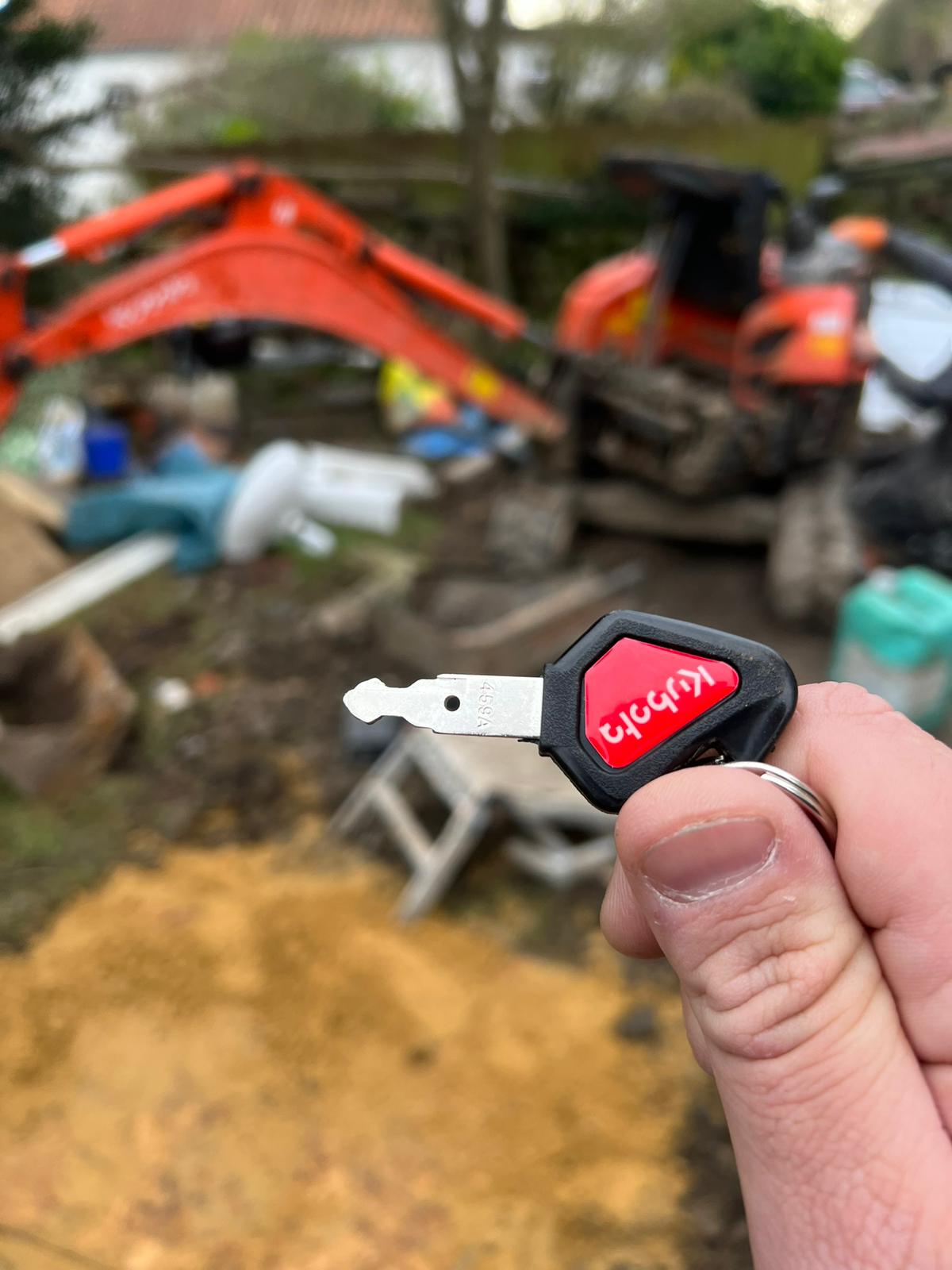
The Kubota KVX series is one of the most common lines that use transponder keys. Other models like the U10, U15, U17, and U25 also rely on programmed keys. Each model may use a slightly different chip or programming frequency. A good specialist will have a library of key blanks and the equipment to handle multiple protocols.
When you contact a service, be specific about your machine. Saying "I have a Kubota mini digger" is not enough. The key system can vary even within the same model year. Providing the full model name and serial number helps the programmer select the correct key blank and encoding method.
Practical Tips for Kubota Key Owners
- Keep a record of your key code in a safe place. If the original key is lost, that code is the fastest way to get a replacement.
- Order a spare key as soon as you buy a machine. Having a backup programmed key avoids downtime later.
- Test the replacement key immediately after it arrives. If it does not work, contact the service right away while the programming details are still fresh.
- Store spare keys away from the machine. If the digger is stolen, a key left in the cab makes it easy for thieves.
The Role of Specialist Services in the UK
In the UK, the market for Kubota replacement keys is served by a mix of dealerships and independent specialists. Dealerships often charge a premium and may take longer because they order keys from the manufacturer. Independent specialists that focus on construction equipment can often provide faster service because they stock common key blanks and have the programming equipment on hand.
When choosing a service, look for one that has been operating for several years and has a track record with Kubota keys. A company that has been doing Kubota key programming since 2010, for example, has likely encountered every model and every problem that can arise. That experience translates into fewer returned keys and happier customers.
Postal service is the standard way to receive a replacement key. Most specialists use Royal Mail or a courier service. Some offer expedited shipping for an extra fee. If you are in a hurry, ask about same-day dispatch and next-day delivery. Just be aware that the key still needs to be programmed before it can be shipped. A service that keeps pre-programmed blanks for common models can turn orders around faster.
What Can Go Wrong and How to Avoid It
The most common problem with replacement keys is incorrect programming. This happens when the wrong code is written to the chip, or when the key blank is not compatible with the machine's reader. Another issue is physical fit. Some key blanks are slightly thicker or thinner than the original, which can cause the lock to jam or the key to break.
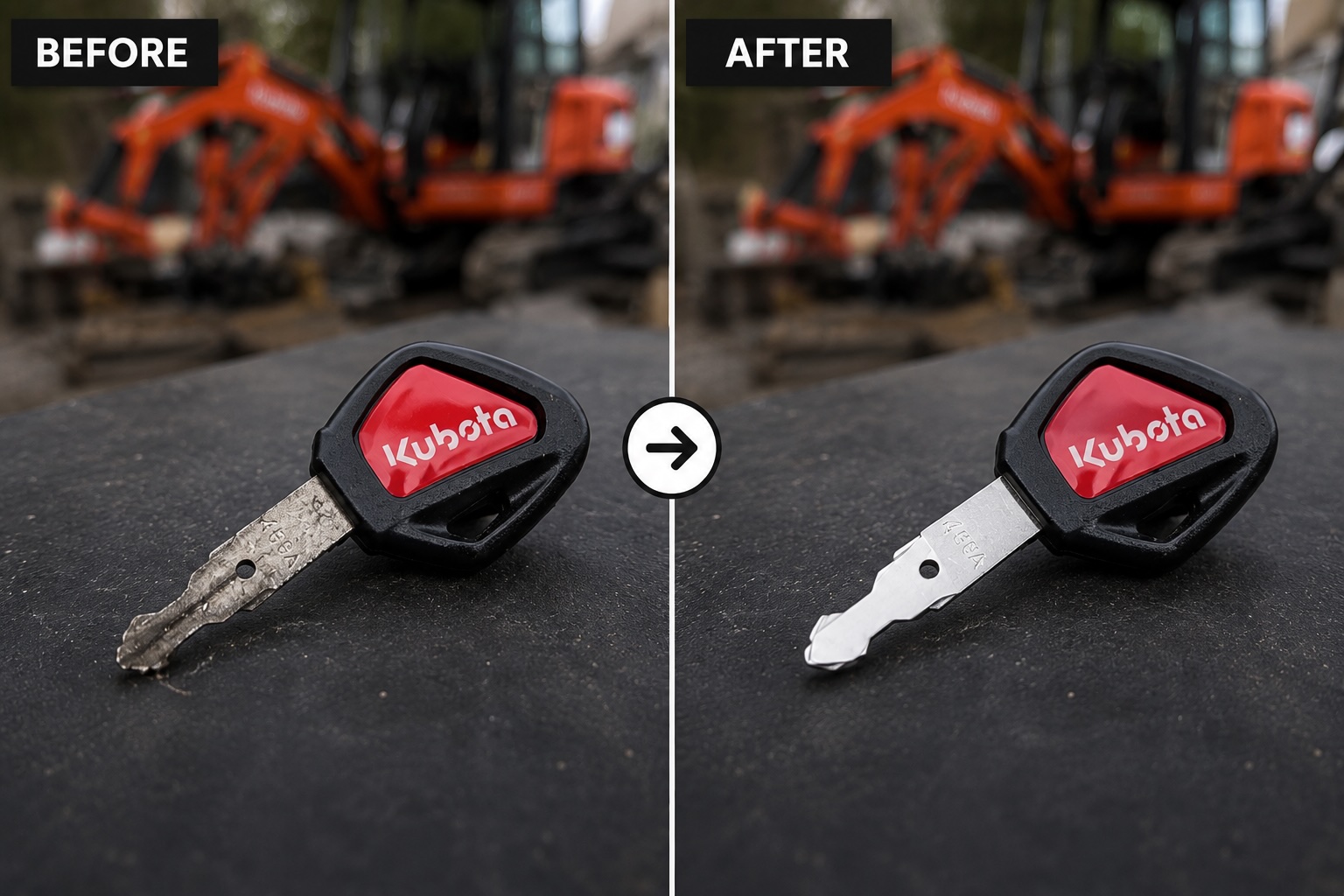
To avoid these problems, work with a specialist that asks for detailed information about your machine. A service that rushes through the order without checking the model and key code is more likely to send a non-functional key. Also, be wary of extremely cheap prices. Proper key programming equipment is expensive, and a very low price often means a shortcut was taken.
Final Thoughts
Kubota key programming is a specific skill that combines mechanical key cutting with electronic coding. For mini digger owners, understanding the difference between a simple key cut and a programmed transponder key can save hours of frustration. Whether you need a replacement for a lost key or a spare for your fleet, using a specialist who knows Kubota machines inside and out is the best way to get a key that works reliably.
Keep your key code safe, order spares early, and choose a service that has proven experience. That approach will keep your digger running and your jobs on schedule.